
"Indonesian estate coffee"
800 article(s) found

New Guinea is an alien coffee farm in Indonesian coffee.
Papua New Guinea (Papua New Guinea) aroma 3.5 minutes brightness 3.5 minutes mellow 3.5 minutes flavor 4.5 minutes aftertaste 4 points suitable for baking: City/Full city New Guinea beans can be baked a wide range of soft, balanced flavor from city to a balanced flavor of full city, and even oil re-baking can be done, depending on your preference. New Guinea counts.
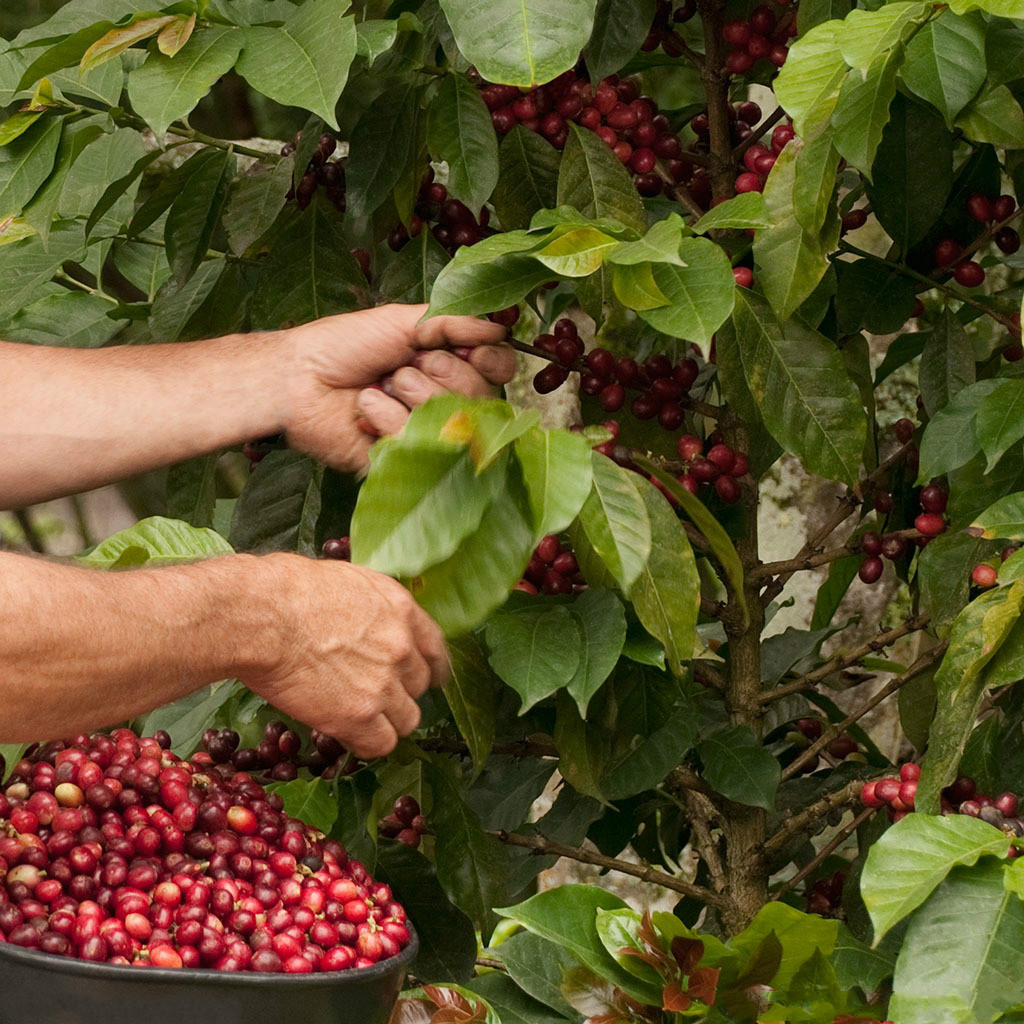
Coffee producing country-Indonesian coffee Indonesian coffee flavor
Brief introduction of coffee producing countries: Indonesian coffee is grown in the Dutch colonial era, coffee cultivation is mainly in large estates, after World War II, experienced the process of nationalization and independence movement, now about 90% of the coffee produced in Indonesia is produced by small farmers. Originally, Indonesian coffee was Arabica, and the leaf rust disaster at the end of the 18th century destroyed Arabica manor.

Indonesian Mantenin Coffee Estate with a hint of wood and herbs
Mantenin name origin: first appeared after World War II, the Japanese mistakenly planted coffee Mandenin people, pronounced Mantenin, still in use today. Mantenin's main production areas are Aceh and North Sumatra provinces, where Arabica production accounts for 85% of Indonesia's total Arabica production. Sumatra coffee, as it is called in the fine coffee world, also refers to these two regions. finer

Indonesian coffee producing area details _ which brand of Indonesian coffee tastes good _ is Indonesian coffee beans expensive?
For more information on coffee beans, please follow the coffee workshop (Wechat official account cafe_style) Indonecia Indonesian coffee beans population: 237424000 in Indonesia, coffee beans slowly grew from Java to the neighboring islands, first reached Sulawesi in 1750, then did not extend to northern Indonesia. Until 1888, Lake Doba

Indonesia Coffee Estate Introduction Kahayangan Estate Indonesia Coffee
This coffee was discovered because local workers were forbidden to drink coffee by the stingy Dutch planters at that time. In order to obtain this magical fruit that they had worked hard to grow, they had to find it in the excrement of civet cats. After washing and grinding, they made it into world-class coffee, which was then discovered by the Dutch and became more expensive. As Indonesia's main tourist destination

Introduction of Indonesian Sulawesi Coffee Bean Flavor Sulock Coffee
The Indonesian island of Sulawesi coffee beans (Sulawesi), formerly known as Celebes, accounts for 7 per cent of Indonesia's coffee production. Compared with coffee from Sumatra and Java, the coffee produced by Sulawesi is of delicate quality and high market evaluation, so it has a good name for Indonesian jewelry. Most of the coffee on the island is produced by small farmers. Most Arabica are grown at higher altitudes.
New Guinea is also an alien coffee farm in Indonesian coffee.
Boutique coffee (specialty coffee) is also called specialty coffee selection coffee. It refers to coffee made from a small number of raw beans with excellent taste grown in an ideal geographical environment. Depending on the special soil and climatic conditions in which they grow, they have outstanding flavor. After strict selection and classification, this kind of coffee is hard in texture, rich in taste and stylish.

New Guinea Indonesian Coffee Solar method to deal with Raw beans
Boutique coffee (specialty coffee) is also called specialty coffee selection coffee. It refers to coffee made from a small number of raw beans with excellent taste grown in an ideal geographical environment. Depending on the special soil and climatic conditions in which they grow, they have outstanding flavor. After strict selection and classification, this kind of coffee is hard in texture, rich in taste and stylish.

Intense taste of Indonesian Sumatra Lindong coffee estate production area Flavor taste characteristics Fine coffee medium
Roasting: Because coffee beans can only be kept fresh for 1 to 7 days after roasting, they will begin to taste, leaving only bitterness and no mellow taste. So, roasting yourself ensures the freshness of the coffee beans. Traditional roasters are roller type, which has the characteristics of stewing, which will make the coffee beans older and taste fuller. household roller type

Indonesia West Java Aimani Estate Single Bean Flavor Characteristics, Producing Area and Brewing Parameters
Professional barista exchanges, please pay attention to coffee workshop (Weixin Official Accounts cafe_style) Indonesian West Java Emani Manor single bean flavor characteristics, production area and brewing parameters BALI coffee came to Bali late, it was originally grown in Kintamani plateau (Kintamani). Coffee production was affected by the Gunung Agung eruption in 1963, which killed 20,000 people.

Indonesian Java Coffee Robusta Coffee Raw beans introduction to the History of Robusta Coffee beans Robbs
In the early 1970s, Java cut down Arabica trees introduced by most Dutch and planted Robbosa beans instead. Since then, Java coffee has become greasy, plain and has a strong smell of wheat and tea. Among the few remaining Arabica estates, Djampit is the most famous. These beans are similar to other Indonesian beans, but with obvious sour taste and no texture.

How to process Indonesian single bean How to classify Indonesian single bean
SUMATRA Sumatra has three main growing areas: Aceh North, the area slightly south around Lake Toba, and more recently, the island near Mangkuraja. Perhaps it can also be traced back to smaller areas of Takengon, Aceh Province B

Indonesian coffee plantation flavor taste characteristics Indonesian cat feces coffee introduction Kahayangan manor
In the early 1970s Java cut down most of the Arabica trees introduced by the Dutch in favour of Robusta beans, and since then Java coffee has become greasy, bland and has a strong wheat-tea smell. Of the few remaining Arabica estates, Djampit is the most famous. These beans are similar to other Indonesian beans, but they are more sour and textured.

Introduction of Indonesian Coffee Flavor characteristics of manors in Indonesian coffee producing areas Kahayang Gan Manor
The prosperity of coffee in Indonesia was not sustainable, coffee production was fatally hit at the end of the 18th century, and leaf rust, originally found in West Java, spread rapidly, destroying the Arabica coffee estate in Indonesia. The leading position of the coffee trade was replaced by the American producing countries. However, it is worth mentioning that the leaf rust disaster did not affect the eastern Indonesian producing areas, namely, Flores Island and Timor, today.

The flavor and taste characteristics of Indonesian coffee manor introduce Fuyin Manor Indonesian coffee brand
In the early 1970s, Java cut down Arabica trees introduced by most Dutch and planted Robbosa beans instead. Since then, Java coffee has become greasy, plain and has a strong smell of wheat and tea. Among the few remaining Arabica estates, Djampit is the most famous. These beans are similar to other Indonesian beans, but with obvious sour taste and texture.

Taste and flavor characteristics of coffee from Pankol Manor in West Java, Indonesia?
Professional coffee knowledge exchange more coffee bean information please follow the coffee workshop (Wechat official account cafe_style) Pancore Manor in West Java, Indonesia coffee taste and flavor characteristics? Java is almost synonymous with Indonesian coffee, producing high-quality boutique coffee. To the west of the island is Sumatra, which produces gold manning, and to the east is Bali, where most of the coffee is local.

Indonesian Java coffee with rich flavor, fine coffee flavor, taste, estate characteristics
Acidity: The strong acidity characteristic of all coffee grown in the plateau. The sour and spicy here is different from bitter and sour, and has nothing to do with pH value. It refers to a fresh and lively quality that promotes coffee to play a role in boosting the mind and cleansing the taste. The acidity of coffee is not acidic or sour in pH, nor does it make people uncomfortable when entering the stomach.

World Coffee Estate
Indonesia is a country of thousands of islands. Coffee is produced on the main islands. The most famous ones are Sumatra, Sulawisi and Java. (Bali Sumatra Coffee Sumatra